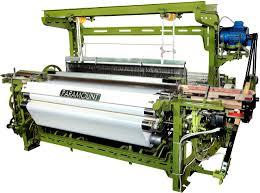
Power loom is changing the way fabric is made. Power loom is a machine that helps weavers make cloth much faster than by hand. It uses electricity to move threads quickly and make patterns without needing too much human effort. This amazing invention has made textile work easier and faster for many people all around the world. Before power looms, weaving fabric was slow and took a lot of time. But now, factories can produce large amounts of cloth in just a few hours. The power loom works by moving threads up and down while another set of threads moves side to side. This creates strong and even cloth. It is used in many places, from small workshops to big factories. Power looms are now an important part of the textile industry, helping people save time and make more products.
Power loom is not only fast but also very precise. It can make fabrics with different designs, colors, and textures without mistakes. Weavers can now focus on creativity while the machine does most of the hard work. Many types of fabrics, like cotton, silk, and wool, are made using power looms. These machines also help in reducing costs because less human labor is needed, and production is faster. In addition, modern power looms are safer and more energy-efficient than older versions. They are used in clothing factories, home textile production, and industrial fabric making. Learning how to use a power loom is easier today because many training programs teach people the skills they need. With power looms, the textile industry can meet the high demand for clothes, bed sheets, curtains, and many other products worldwide.
Table of Contents
What is a Power Loom and How Does It Work?
A power loom is an electric weaving machine that automates the weaving process. Unlike handlooms, power looms use mechanical systems to move threads efficiently. There are two sets of threads in weaving: the warp and the weft. Warp threads run lengthwise, and weft threads go across them. The power loom lifts the warp threads and passes the weft threads in a controlled way. This makes the fabric strong and even. Modern power looms have computer-controlled systems that allow creating complex designs with less human effort. They are faster, safer, and can work continuously for hours.
Power loom is designed to reduce human effort in weaving. In the past, handloom weavers had to move threads manually, which took a lot of time and energy. Power looms use motors and gears to handle these movements automatically. Weavers now monitor the machine and make adjustments when needed. This increases productivity and reduces errors. Some power looms can produce hundreds of meters of fabric every day, something impossible with handlooms.
History of Power Loom: From Handloom to Modern Machines
The power loom was invented in the 18th century during the Industrial Revolution. Edmund Cartwright is credited with inventing the first mechanized power loom in 1785. Initially, the machine was slow and prone to breakdowns. Over time, improvements were made, and power looms became faster and more reliable. By the 19th century, textile factories in Europe and America were using power looms extensively. This marked a shift from manual labor to mechanized production.
Power loom has come a long way since its invention. In the early days, it was used mainly for cotton fabrics. Today, modern power looms can weave silk, wool, synthetic fibers, and blended fabrics. The design has improved with better safety features, higher speed, and energy efficiency. The evolution of power loom has helped the textile industry grow globally.
Benefits of Using Power Loom in Textile Production
Power loom offers many advantages over handloom weaving. First, it increases production speed. A single power loom can make much more fabric in one day than many handloom workers could make in a week. Second, it improves fabric quality. Power looms produce even and uniform cloth without mistakes. Third, it reduces labor costs because fewer workers are needed. Fourth, modern power looms are energy-efficient and safe to operate.
Power looms also allow for creative designs. With computerized systems, complex patterns and textures can be made easily. This technology helps meet the growing demand for different types of fabrics. It also reduces waste because fabric defects are minimized. Overall, power looms improve productivity, quality, and profitability in textile production.
Different Types of Power Looms You Should Know About
There are several types of power looms used in the textile industry. Some of the common ones include shuttle looms, shuttleless looms, rapier looms, projectile looms, and air-jet looms.
- Shuttle Looms: The traditional type of power loom where a shuttle carries the weft thread through the warp threads.
- Shuttleless Looms: Faster than shuttle looms, these include rapier, projectile, and air-jet looms. They do not use a shuttle to carry threads.
- Rapier Looms: Use a mechanical arm called a rapier to insert the weft thread.
- Projectile Looms: Use small projectiles to carry the weft across the warp threads.
- Air-Jet Looms: Use air to push the weft thread through the warp threads.
Each type has advantages depending on the fabric type and production speed required.
How Power Loom Changed the Textile Industry Forever
Power loom revolutionized the textile industry. Before power looms, weaving was slow, and fabric was expensive. The invention of power looms allowed factories to produce large quantities of fabric quickly and cheaply. This made textiles available to more people and helped the fashion industry grow.
Power loom also created new jobs in factories, even though it reduced the need for handloom weavers. It led to the development of large-scale textile manufacturing in many countries. Today, almost all industrial fabrics are made using power looms. The technology has also encouraged innovations in design, automation, and textile quality.
Power Loom Fabrics: Cotton, Silk, Wool, and More
Power looms can produce almost any type of fabric. Cotton is the most commonly woven material because it is easy to handle and in high demand. Silk and wool fabrics are also produced using specialized power looms. Synthetic fibers like polyester, nylon, and blended fabrics are increasingly common.
The type of loom and settings depend on the fabric being made. For example, silk weaving requires precision to avoid thread breakage, while cotton weaving focuses on speed and volume. Power looms allow manufacturers to create different textures, colors, and patterns efficiently.
Training and Skills Needed to Operate a Power Loom
Operating a power loom requires some training. Workers need to understand how to load threads, adjust tension, and troubleshoot machine problems. Many textile factories provide training programs to teach these skills. In addition, modern computerized looms require basic knowledge of computers and programming.
Learning to use a power loom is easier today because of online tutorials, videos, and workshops. With proper training, operators can produce high-quality fabrics efficiently. Skilled operators also help maintain machines and prevent breakdowns.
Modern Power Loom Technology and Energy Efficiency
Modern power looms are more advanced than the first machines. They are faster, safer, and more energy-efficient. Many machines have automatic thread sensors, computerized controls, and safety features to protect operators.
Energy efficiency is a big advantage. Modern looms use less electricity compared to older machines. Some factories also use renewable energy to run looms. This helps reduce production costs and environmental impact.
Challenges and Solutions in Power Loom Production
Despite its benefits, power loom production has challenges. Machines can break down, threads can snap, and fabric defects may occur. Skilled operators and regular maintenance are needed to solve these problems.
Power loom factories also face competition from low-cost handloom products and global textile imports. To stay competitive, factories focus on efficiency, quality, and innovative designs. New technologies like AI and IoT are also being used to monitor production and prevent errors.
Conclusion
The future of power loom looks bright. With increasing demand for textiles worldwide, power looms will remain essential. Technology will continue to improve, making looms faster, safer, and more eco-friendly.
Automation, AI, and smart machines will allow factories to produce customized fabrics efficiently. Training programs will help workers adapt to modern looms. The combination of innovation and efficiency will ensure that power loom remains a key part of the global textile industry.
FAQs
Q1: What is a power loom?
A power loom is an electric weaving machine that automates the process of making fabric, making it faster and easier than handloom weaving.
Q2: Who invented the power loom?
The power loom was invented by Edmund Cartwright in 1785.
Q3: What types of fabrics can be made with power looms?
Power looms can make cotton, silk, wool, polyester, and blended fabrics.
Q4: Why is power loom better than handloom?
Power looms are faster, more precise, reduce labor costs, and can produce larger quantities of fabric with uniform quality.