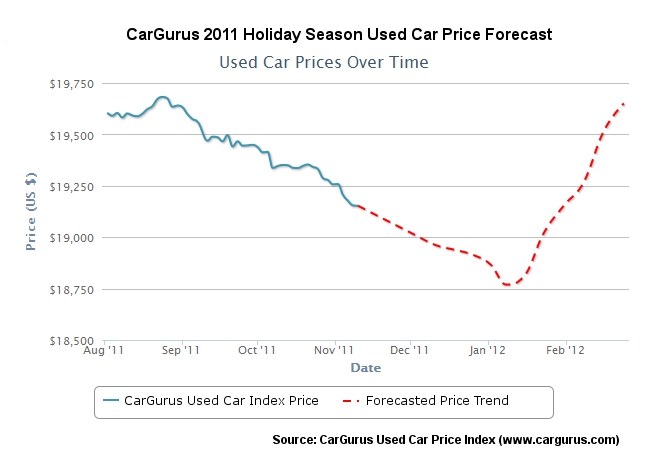
The best time to buy a used vehicle is when you know the market, the seasons, and how dealerships set their prices. If you want the best deal and avoid paying too much, understanding timing is very important. Many people buy cars without thinking about the best time, and they often pay extra money. Knowing the right moment can save you hundreds or even thousands of dollars. You might think used vehicles are always cheaper than new ones, but the price can still vary a lot depending on when you buy. For example, buying at the end of the month or during holiday sales can give you better discounts because dealerships want to meet their sales targets. Seasonal trends also play a big role. Certain months may have more cars available, which means more choices and lower prices. On the other hand, during peak buying times, prices can be higher, and the best cars might already be sold. You should also consider the age and mileage of the vehicle. Older vehicles with high mileage may cost less, but they could have higher maintenance costs. A well-maintained vehicle bought at the right time can last longer and give you a better value for your money. Research is another key factor. Checking online listings, reading reviews, and visiting multiple dealerships can help you understand the fair price for the vehicle you want. Comparing different options can prevent overspending. Additionally, consider economic factors like gas prices, interest rates, and incentives from manufacturers. Sometimes, these factors can make a certain month or season better for buying a used vehicle. Don’t forget about private sellers. Buying.
Table of Contents
When Is the Best Time to Buy a Used Vehicle for the Biggest Savings
The best time to buy a used vehicle for the biggest savings is not the same for everyone, but there are clear patterns to follow. Many experts say the end of the year or the last few months of the model cycle are perfect because dealerships want to clear space for new cars. Prices often drop during holidays or when demand is low, such as in late summer or winter. You can also get better deals at the end of the month when salespeople try to meet their targets. Being patient and timing your purchase carefully can save hundreds or even thousands of dollars. Checking multiple dealerships and comparing prices before buying is smart. Planning your purchase can make a big difference in cost and value.
Seasonal Trends That Affect the Best Time to Buy a Used Vehicle
Seasonal trends play a big role in determining the best time to buy a used vehicle. In winter, fewer people go car shopping, so dealers may offer lower prices to attract buyers. Summer can be busier because people want cars for travel, which can make prices higher. Spring is often when new car models arrive, and used cars from the previous year may drop in price. Holidays like Black Friday, Memorial Day, or Labor Day often bring special sales and discounts. Paying attention to these seasonal trends can help you save money and get a better selection. Knowing the pattern of supply and demand is the secret to smart buying.
How End-of-Month and Holiday Deals Help You Save on Used Cars
End-of-month and holiday deals are very helpful if you want to save money when buying a used vehicle. Dealers often have monthly sales targets, and near the end of the month, they may reduce prices to meet those goals. Holidays like Thanksgiving, Christmas, and New Year bring special promotions and discounts too. These short-term deals give buyers an advantage because dealers want to sell quickly. Shopping during these times can give you more room to negotiate and better chances of finding the right car. Combining these deals with seasonal trends can maximize your savings. Planning your visit to the dealership with this in mind is a smart strategy.
Private Sellers vs. Dealerships: Best Time to Buy a Used Vehicle From Each
Buying from private sellers or dealerships both have pros and cons, and the best time to buy can differ. Private sellers often sell cars when they need money quickly or are upgrading, which may happen any time during the year. Dealers usually offer promotions at the end of the month, during holidays, or when clearing inventory. Private sales can be cheaper, but there is less protection and fewer guarantees. Dealerships may cost more but offer warranties and financing options. Knowing the timing and advantages of each can help you decide where to buy. Choosing carefully and timing your purchase is key to getting the best price and peace of mind.
Economic Factors That Influence the Best Time to Buy a Used Vehicle
Economic factors also affect the best time to buy a used vehicle. When gas prices are high, people may avoid big cars, and dealers may reduce prices on trucks or SUVs. Low interest rates make loans cheaper, so more buyers are in the market, which can increase prices. Conversely, high interest rates may lower demand and give you better deals. Inflation, employment rates, and even local market trends can affect car prices. Keeping an eye on these economic signs can help you decide the perfect time to buy. Understanding the bigger picture can save money and make your purchase smarter.
How to Research and Spot the Best Time to Buy a Used Vehicle
Research is one of the most important steps to spot the best time to buy a used vehicle. Checking online listings daily can show you which cars are available and what the fair prices are. Reading reviews of dealerships helps you avoid scams or overpriced vehicles. Comparing multiple options gives you confidence in your choice. You can also track seasonal trends, end-of-month deals, and holiday promotions. Knowing the market, the car’s history, and the seller’s background makes negotiation easier. Spending time researching is a small effort that can save a lot of money. A smart buyer always researches before making a purchase.
Tips for Negotiating the Best Price When Buying a Used Vehicle
Negotiating is easier if you know the best time to buy a used vehicle. Start by knowing the car’s market value and checking similar listings. Don’t show too much excitement; dealers may increase the price if they think you really want it. Be polite but firm, and use information about seasonal trends or end-of-month goals to your advantage. Point out minor issues with the car as reasons to lower the price. Remember, patience pays off—walking away and waiting for a better deal can save money. Good preparation, timing, and confidence make negotiation simple and effective.
Conclusion
Buying a used vehicle at the right time can save you a lot of money and stress. Planning your purchase, watching seasonal trends, and checking holiday deals are very important. Being patient and researching options gives you more power to make the right choice. Private sellers and dealerships both have good opportunities, so knowing when to buy from each helps a lot. Economic conditions like interest rates and gas prices can change prices, so paying attention is smart. Negotiating with confidence, knowing the market, and taking your time will help you get the best car for the best price. Timing and preparation are the keys to happy and smart buying.