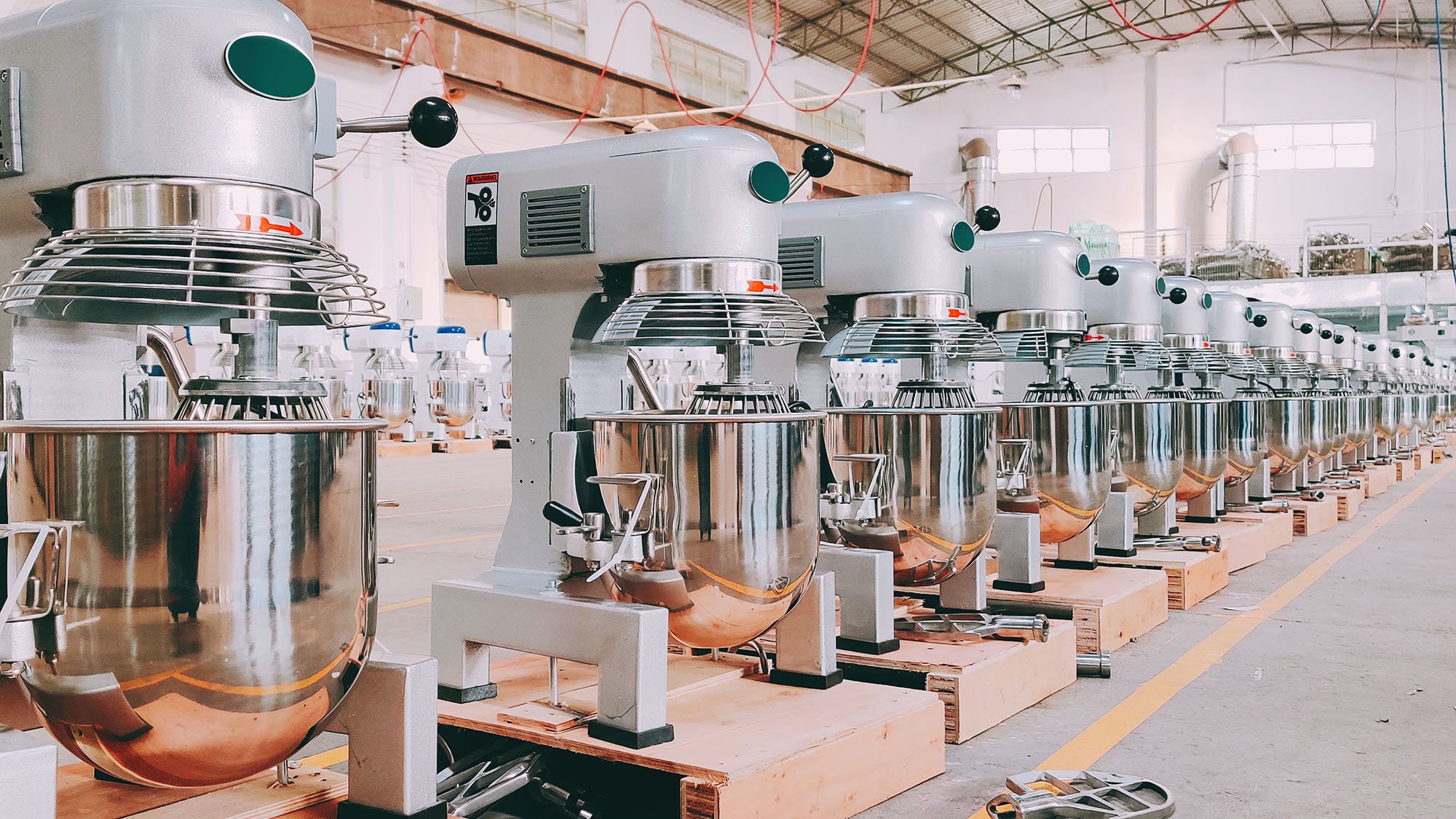
The humble stand mixer has evolved from a luxury item to an indispensable tool in both professional and home kitchens. This transformation is fueled by relentless innovation and precision engineering within the modern Stand Mixer factory. These facilities are no longer simple assembly lines; they are dynamic hubs of research, development, and advanced manufacturing, dedicated to enhancing kitchen efficiency and empowering users worldwide. The drive for superior equipment innovations is at the core of their mission, shaping how we prepare food and redefining the boundaries of culinary creation.
The Nexus of Design and Engineering: Where Concepts Become Reality
Before a stand mixer reaches a countertop, it undergoes a rigorous journey that begins in the heart of the factory’s R&D department. This is where the abstract goal of improved kitchen efficiency is translated into tangible design.
Sub-Head: Prototyping for Performance and Durability
Engineers and designers collaborate to create prototypes that are tested under extreme conditions.The focus is not just on power, but on the harmonious interaction of the motor, gear train, and attachments. This phase is critical for developing equipment innovations such as planetary mixing action—a hallmark of a quality mixer—which ensures that every part of the bowl is reached consistently. Durability testing involves running units for hundreds of hours to simulate years of use, ensuring the final product is a reliable partner in any culinary venture.
Sub-Head: Ergonomic and User-Centric Development
A key aspect of modern design is user ergonomics.Factories invest significantly in research to create machines that are not only powerful but also safe and easy to use. This includes designing tilt-head mechanisms that lock securely, bowls with comfortable handles, and control interfaces that are intuitive. The ultimate aim is to reduce user fatigue and streamline workflows, directly contributing to enhanced kitchen efficiency.
Precision Manufacturing: The Backbone of Reliability
The production floor of a leading stand mixer factory is a symphony of automated and skilled human labor. The commitment to quality is embedded in every step of the manufacturing process.
Sub-Head: Advanced Motor and Gearbox Assembly
The motor is the heart of the stand mixer,and its assembly is a precise operation. Factories utilize specialized equipment to wind copper coils, balance armatures, and integrate thermal protection systems. The gearbox, often made from die-cast zinc or hardened polymers, is assembled in clean-room environments to prevent contamination. This precision ensures the mixer delivers consistent torque and operates at a low noise level, a significant equipment innovation that improves the user experience.
Sub-Head: Material Science and Component Fabrication
The choice of materials is paramount.Housing components are typically crafted from durable rolled steel or high-grade polycarbonate through injection molding or die-casting processes. Stainless steel bowls are formed using deep-drawing techniques to achieve a seamless, easy-to-clean surface. The whisk, beater, and dough hook attachments are forged and polished to exact specifications, ensuring they are robust enough to handle heavy doughs and delicate meringues alike. This focus on material integrity is a non-negotiable standard for producing equipment that stands the test of time.
The Integration of Smart Technology and Quality Assurance
The final assembly line is where all components converge. However, the modern factory goes beyond mere assembly; it integrates smart systems and rigorous testing protocols.
Sub-Head: Calibration and Final Testing
Each assembled mixer undergoes a comprehensive calibration process.The speed settings are verified to ensure they correspond to precise RPMs (revolutions per minute). Units are run at various loads to test motor stability and temperature control. This meticulous final check guarantees that every product leaving the factory meets strict performance criteria, embodying the latest in equipment innovations for reliable operation.
Sub-Head: Driving Global Kitchen Efficiency
The output of these advanced factories has a direct and profound impact on globalkitchen efficiency. By producing powerful, versatile, and durable machines, they enable bakeries to increase production volume, restaurants to maintain consistency, and home bakers to explore complex recipes with confidence. The continuous refinement of attachments—from pasta makers to meat grinders—further expands the utility of the stand mixer, transforming it into a central workstation for a vast array of culinary tasks.
The evolution of the stand mixer is a direct reflection of the sophistication within its place of origin. The focus on durable construction, user-centered design, and intelligent manufacturing processes ensures that these machines are more than just appliances; they are essential tools for culinary achievement. For professionals and enthusiasts seeking to stay informed on the latest advancements that enhance productivity and creativity in the kitchen, a leading resource for insights and a wide array of these engineered solutions is mirabake.com.