Thermal energy examples are all around us, and they make our world work in many ways. When we feel the warmth of the sun on our skin or boil water for tea, we are experiencing thermal energy. Thermal energy is the energy that comes from the heat inside objects. It is caused by the movement of tiny particles called atoms and molecules. The faster these particles move, the more thermal energy an object has. Thermal energy can be seen in many things, from the food we cook to the machines that keep our homes warm. It is also used in industries, cars, and even electricity production. Understanding thermal energy examples can help us save energy, stay safe, and learn how nature and technology use heat. For example, when we touch a hot cup of coffee, we can feel the heat transferring to our hand. This is thermal energy moving from a hot object to a cooler one. Another common example is a sunny day. The sun’s rays warm the earth, the air, and everything on the ground. Even ice melting in a drink is a form of thermal energy at work because the heat from the drink moves into the ice, causing it to melt. Thermal energy is also in machines, like a car engine. When the engine runs, fuel burns, producing heat. This heat is thermal energy, which moves to the metal parts and then to the air, making the engine hot. Homes use thermal energy in heaters. When a heater warms up a room,
Table of Contents
Everyday Thermal Energy Examples at Home
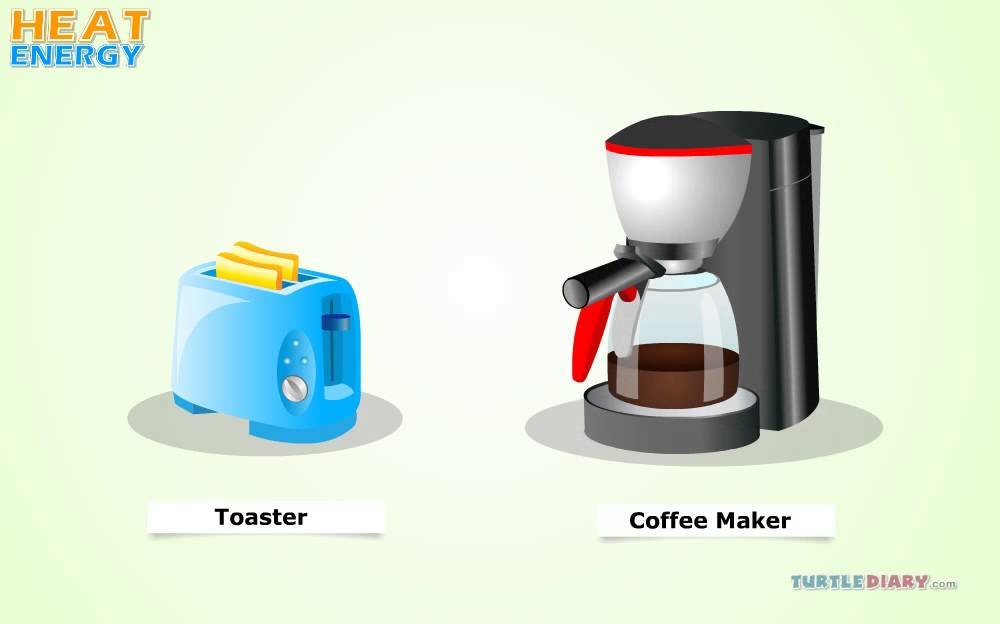
Home is full of thermal energy examples. When you boil water for tea or coffee, the heat from the stove moves to the water. This thermal energy causes the water molecules to move faster until steam rises. Cooking food is another clear example. Baking bread, frying eggs, or boiling rice all use thermal energy to change raw ingredients into cooked meals.
Even simple things like ironing clothes use thermal energy. The iron heats up, and the heat moves to the clothes, removing wrinkles. Heaters in winter spread thermal energy to keep rooms warm. Even hot water in the shower is thermal energy in action. Thermal energy in homes is not just for comfort; it also makes our lives easier and safer.
Thermal Energy Examples in Nature
Nature is full of thermal energy examples. The sun is the biggest source of heat on Earth. Sunlight warms the ground, air, and water. Volcanoes, geysers, and hot springs show how heat from inside the Earth moves to the surface. Thermal energy in the soil helps plants grow, and the warmth of the sun allows animals to survive in different climates.
Even ice melting is a thermal energy example in nature. Heat from the surrounding air moves into the ice, making it melt. Thermal energy in nature affects weather, climate, and ecosystems. Understanding these examples can help humans use energy wisely and protect the environment.
Thermal Energy Examples in Machines and Technology
Machines use thermal energy every day. Car engines are a great example. When fuel burns inside the engine, it creates heat. This thermal energy moves through metal parts, and the engine becomes hot. Computers, phones, and other electronic devices also produce thermal energy when they run.
Factories use thermal energy to make products. Metals are melted, bricks are baked, and chemicals are heated for medicines. Even solar panels store thermal energy from sunlight to use later for electricity or heating water. Engineers study thermal energy examples to make machines safer and more efficient.
Thermal Energy Examples in Cooking and Heating
Cooking and heating are simple ways to see thermal energy examples. Boiling, frying, baking, or steaming all use heat to change the food. When food is cooked, thermal energy spreads inside it, making it safe to eat and easier to digest.
Heating water for showers, warming rooms with heaters, or using ovens are all examples of thermal energy. Thermal energy in cooking and heating improves daily life and makes tasks easier.
Thermal Energy Examples in Science Experiments
Science experiments often show thermal energy in action. Heating water in a beaker, observing ice melting, or watching steam rise are common experiments. These examples help students see how heat moves from one object to another.
Even solar ovens in school projects use thermal energy to cook food without electricity. Experiments like these teach children about energy, heat, and safety.
How Thermal Energy Moves
Thermal energy moves in three main ways: conduction, convection, and radiation.
Conduction is when heat moves through solid objects. For example, a metal spoon in hot water becomes hot because heat travels from the water to the spoon.
Convection is when heat moves through liquids or gases. Warm air from a heater rising or boiling water circulating are examples of convection.
Radiation is when heat moves through space without touching anything. The warmth from the sun reaching Earth is radiation.
Understanding these movements explains how thermal energy spreads in homes, nature, and machines.
Thermal Energy Examples in Human Life and the Body
Our bodies produce thermal energy too. When we exercise, our muscles generate heat. Even sleeping keeps our body warm because thermal energy is released by cells.
Warm clothes, blankets, and hot drinks help keep us comfortable by transferring thermal energy to our bodies. Thermal energy examples in daily life show how humans depend on heat for survival and comfort.
Saving Energy Using Thermal Energy Examples
Knowing thermal energy examples helps save energy. For instance, using insulated homes reduces heat loss in winter. Cooking with lids on pots keeps heat inside. Solar water heaters use sunlight efficiently to reduce electricity bills.
Understanding thermal energy examples helps people make smarter choices in daily life, saving energy, and protecting the environment.
The Future of Thermal Energy Examples in Technology
Thermal energy is important for the future of technology. Engineers are designing better engines, energy-efficient homes, and renewable energy systems. Thermal energy examples help create new machines, improve safety, and reduce pollution. Using heat from the sun, factories, and waste materials is part of building a sustainable future.
Conclusion
Thermal energy examples are everywhere. From cooking and heating to nature, machines, and the human body, thermal energy plays a vital role in life. Learning about these examples helps us save energy, stay safe, and use heat in smart ways. Thermal energy is a part of both nature and technology, making life easier, more comfortable, and interesting.
FAQs
What is thermal energy?
Thermal energy is the energy that comes from the movement of tiny particles inside objects. Faster particles mean more thermal energy.
What are some common thermal energy examples?
Boiling water, sunlight, cooking food, car engines, and heaters are all common examples.How does thermal energy move?
Thermal energy moves through conduction, convection, and radiation.